The storm date
The single most important detail — it anchors your claim window and ties damage to a covered event.
A roof claim feels confusing when the steps blur together. Here's the whole sequence for Treasure Valley homeowners — what happens, roughly when, and your move at each stage — so you stay in control from the storm to the final check.
Every claim runs roughly this path. Timing varies by insurer and storm volume, but the sequence — and your decision at each step — stays the same.
Note the date. Treasure Valley hail and wind events are what claim windows are measured from — that date is your anchor for everything after.
Your move: Write down the storm's date (and rough time).
Before you call anyone, find out whether you actually have claimable damage and when it happened. A free Roof Report pairs your roof's condition with local storm history — the foundation of a clean claim.
Your move: Get a Roof Report and photograph what you can safely see.
Start with a free Roof ReportContact your insurer to open a claim. Windows are tied to the storm date — often about a year, but sooner is safer and hidden damage only spreads.
Your move: Open the claim with your storm date and documentation ready.
The insurer sends an adjuster to inspect the roof. Having your contractor there to walk the damage keeps the scope honest and complete.
Your move: Schedule your roofer to meet the adjuster on-site.
The insurer approves, partially approves, or denies, and issues a scope and estimate — often paying actual cash value first and holding back depreciation.
Your move: Review the scope for missing line items before accepting.
Pick your roofer and reconcile their scope with the insurer's. Supplements for items the adjuster missed are normal at this stage.
Your move: Confirm scope, materials, and any supplements in writing.
The approved work gets done. Keep your invoice and clear photos of the completed roof — you'll need them to close out.
Your move: Save every document from the build.
Send the final invoice and completion proof to the insurer to release the held-back (recoverable) depreciation — the last piece of the payout.
Your move: Submit completion docs to recover the final payment.
Claims are won or lost on evidence. The more you capture before an adjuster arrives, the smoother — and more complete — your scope tends to be.
The single most important detail — it anchors your claim window and ties damage to a covered event.
Photos of all roof slopes and the whole property, not just the one obvious spot. Wide shots and close-ups.
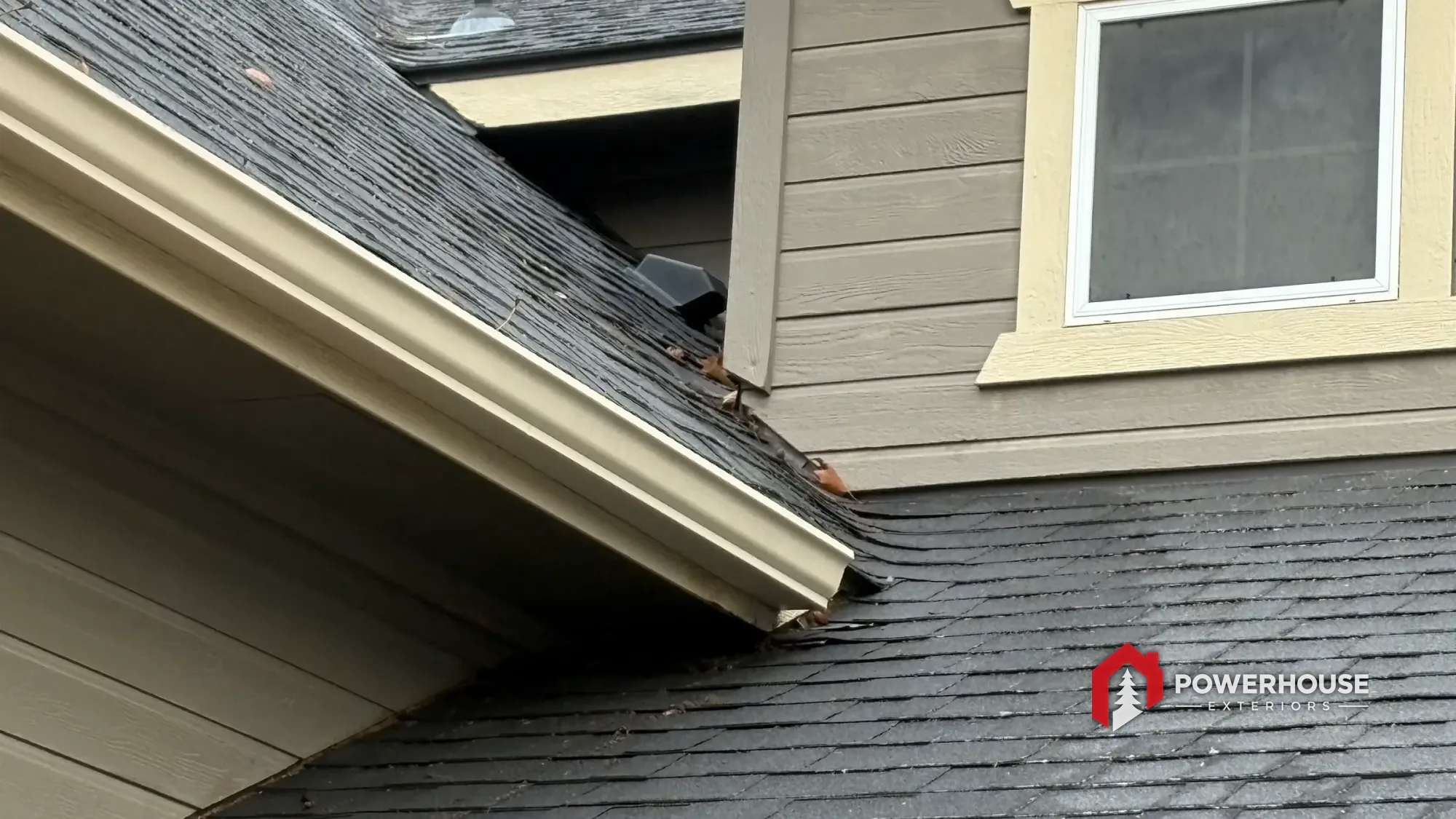
Dented gutters, downspouts, flashing, and vent caps are an adjuster's clearest, hardest-to-argue evidence of hail.
Ceiling stains, attic moisture, and active drips — photographed and dated as they appear.
Any emergency tarping, temporary repairs, or documentation of the roof's condition before the storm.
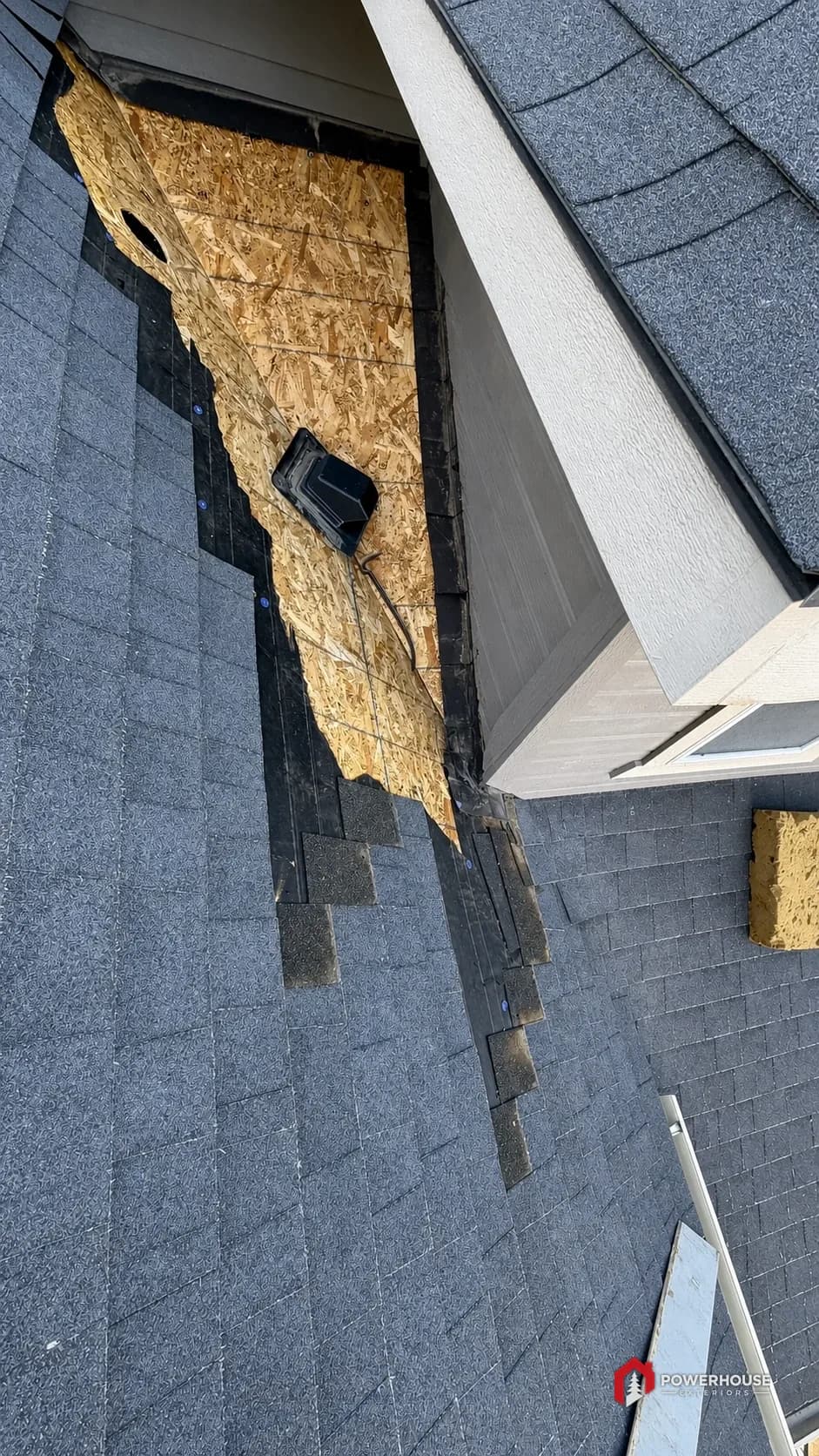
Old wear, foot traffic, and cosmetic marks don't make a claim — fresh, storm-linked damage does. Filing on the wrong side of that line can count against you and get you nothing.
A Roof Report reads your roof's actual condition and pairs it with local storm history, so you know whether you're holding a real claim before you pick up the phone.
Most denied or shortchanged claims trace back to a handful of avoidable missteps. Sidestep these and you keep the process — and the payout — on your side.
Deadlines run from the storm date, not from when you noticed. Wait too long and a legitimate claim simply expires.
Be careful with 'assignment of benefits' or contingency contracts that hand your claim to a contractor before you understand it. Keep control of your own claim.
A claim with no adjuster-verifiable damage can count against you and get you nothing. Confirm you have real, documentable damage first.
One inspection usually sets the scope. Have a qualified roofer walk it with the adjuster so nothing legitimate gets left off the estimate.
Storm timing and how damage shows up here shape when — and whether — a claim makes sense.
Most Treasure Valley hail and wind damage lands between spring and late summer — the window when local claims cluster.
Our high-desert sun can mask fresh hail bruising fast. A roof that looks fine from the yard can still hold a valid claim up close.
We work storm claims across the valley every season and know how local events map to real damage — so you're not guessing on your own.
PowerHouse Exteriors serves homeowners across the Treasure Valley — Boise, Meridian, Nampa, Eagle, Caldwell, Kuna, and Star.
Every claim starts with two questions: is there real damage, and when did the storm hit? A free Roof Report answers both — your roof's condition plus local storm and hail history for your address — so you file with evidence, not a hunch. One address, about a minute, no phone number.

It depends on your policy, but the clock generally starts on the storm date — and many policies give around a year to file. Because hidden damage spreads and documentation gets harder over time, sooner is almost always better. Check your specific policy language for the exact deadline.
Before. Filing without knowing whether you have real, claimable damage can count against you and get you nothing. A Roof Report tells you if there's likely damage and ties it to a local storm date, so you file with confidence — or skip a claim you don't need.
It can vary by insurer and history, and even a denied or no-damage claim can sometimes count against you. That's exactly why it pays to confirm real, documentable storm damage before you file, rather than filing on a hunch.
Many insurers first pay the roof's actual cash value (replacement cost minus depreciation) and hold back the rest. Once the work is completed and you submit the final invoice and proof, they release that held-back amount — the recoverable depreciation.
No. You choose your own roofer. A good local contractor will meet the adjuster, reconcile the scope, and handle supplements — while you keep control of the claim and the workmanship.
This guide is general information for Treasure Valley homeowners, not legal, insurance, or policy advice. Coverage, deadlines, and terms depend on your specific policy — always confirm with your insurer.
A Roof Report pairs your roof's condition with local storm history so you file with evidence and a clear next step.
See pricing guidance