Hail or wind event moved through your neighborhood
Treasure Valley service
Boise Storm Damage Roofing
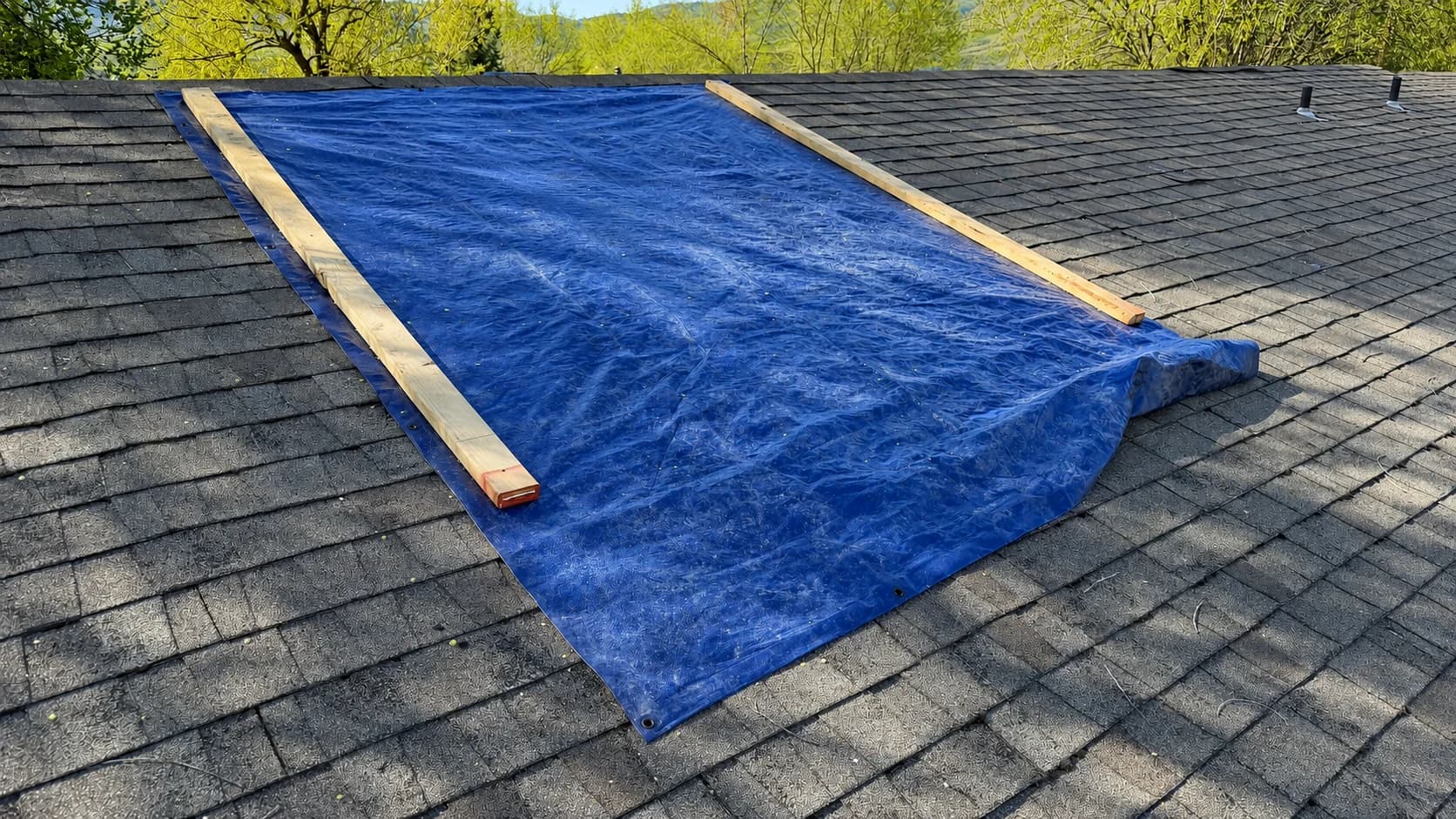
Storm response should make the home safe, document what actually changed, and keep the homeowner from making a rushed claim or replacement decision. We separate emergency protection from the permanent repair path.
Scope clarity
What thoughtful storm damage includes
The scope should explain the system being corrected, the decisions that affect it, and what happens when hidden conditions are found.
- 01Wind and hail review grounded in local storm context
- 02Emergency dry-in and temporary protection coordination
- 03Photo documentation and scope notes for next steps
- 04Repair versus claim-readiness guidance
When to investigate
Signs storm damage may be the right conversation
These signals make the service worth evaluating. They do not replace an inspection or automatically mean the largest scope is necessary.
Leaks appeared after recent weather
Granule loss or lifted edges showed up suddenly
A clear path forward
How we turn the condition into a responsible scope
- STEP 01
Protect the property
Active leaks, openings, lifted materials, and unsafe conditions are prioritized so temporary protection can be separated from the final scope.
- STEP 02
Document storm-related changes
The inspection records wind, hail, debris, flashing, shingle, and water-entry evidence without assuming every post-storm mark requires replacement.
- STEP 03
Choose repair, monitoring, or claim support
The next step follows the verified condition: targeted repair, additional observation, or organized documentation for an insurance conversation.
What shapes the scope
Why two homes can need different answers
Whether the home is watertight
Active water entry or exposed materials can create an emergency protection scope before the permanent work is defined.
Damage pattern and extent
One lifted edge, scattered impacts, widespread creasing, and fallen-debris damage lead to very different recommendations.
Roof condition before the storm
Existing age and wear influence repairability, but they should be distinguished from the sudden changes caused by the weather event.
Built for this region
Treasure Valley considerations
Fast-moving wind events
Treasure Valley wind can affect edges, ridges, flashing, vents, and individual tabs without producing an obvious interior leak immediately.
Separate chronic wear from sudden damage
Long-term sun exposure can leave south- and west-facing shingles weathered before a storm arrives. Fresh creases, displaced materials, impact patterns, and new water entry should be documented separately from that gradual aging.
Neighborhood reports need property verification
A storm crossing Boise or Meridian does not prove damage at every address. Local weather context helps prioritize an inspection; the roof itself determines the scope.
Related projects
Examples from nearby homes
Real projects connect the recommendation to actual conditions, constraints, and outcomes.
Before
After
- Material
- Architectural shingle repair scope
- Timeline
- 1 day
- Result
- Targeted repair with no replacement recommended
A storm check confirmed isolated damage. The right answer was repair, not a full reroof.
View project detailsKeep researching
Guides that help with this decision
Hail damage guideLearn what hail can affect and why marks should be verified before a claim decision.Storm CheckReview recent weather context and organize the first inspection decision for your address.Insurance claim timelineUnderstand the documentation and communication stages that can follow verified loss.
Storm Damage FAQ
Questions homeowners usually ask next
Straight answers for planning the work, setting expectations, and knowing what to ask before signing a scope.
Should every storm trigger a claim?
No. A claim should follow actual documented loss. The first step is understanding whether damage exists and how significant it is.
How fast should I act after hail?
Quick documentation helps, but urgency should match the condition. If the roof is watertight and stable, a structured inspection is usually better than a rushed sales visit.
What should I do first if the roof is leaking after a storm?
Protect people and belongings, contain interior water when it is safe, and arrange an exterior assessment for temporary protection. Avoid climbing onto a wet or damaged roof. Emergency stabilization and permanent repair are separate decisions.
Can storm damage exist without an immediate leak?
Yes. Lifted or creased shingles, compromised flashing, punctures, and impact damage may not produce visible interior water right away. Documentation soon after the event can help distinguish sudden changes from normal aging.
Does storm damage always mean the roof needs replacement?
No. Some storm damage is isolated and repairable, while other events affect enough of the system to make replacement more practical. The recommendation should follow the damage pattern, repairability, and the surrounding roof condition.
Start with the condition
Get a clear next step for storm damage.
Start with the address and what you are seeing. We will help separate monitoring, repair, and replacement before the scope grows.
Understand roof pricing