A storm likely affected your area and you need documentation
Treasure Valley service
Boise Insurance Claim Support
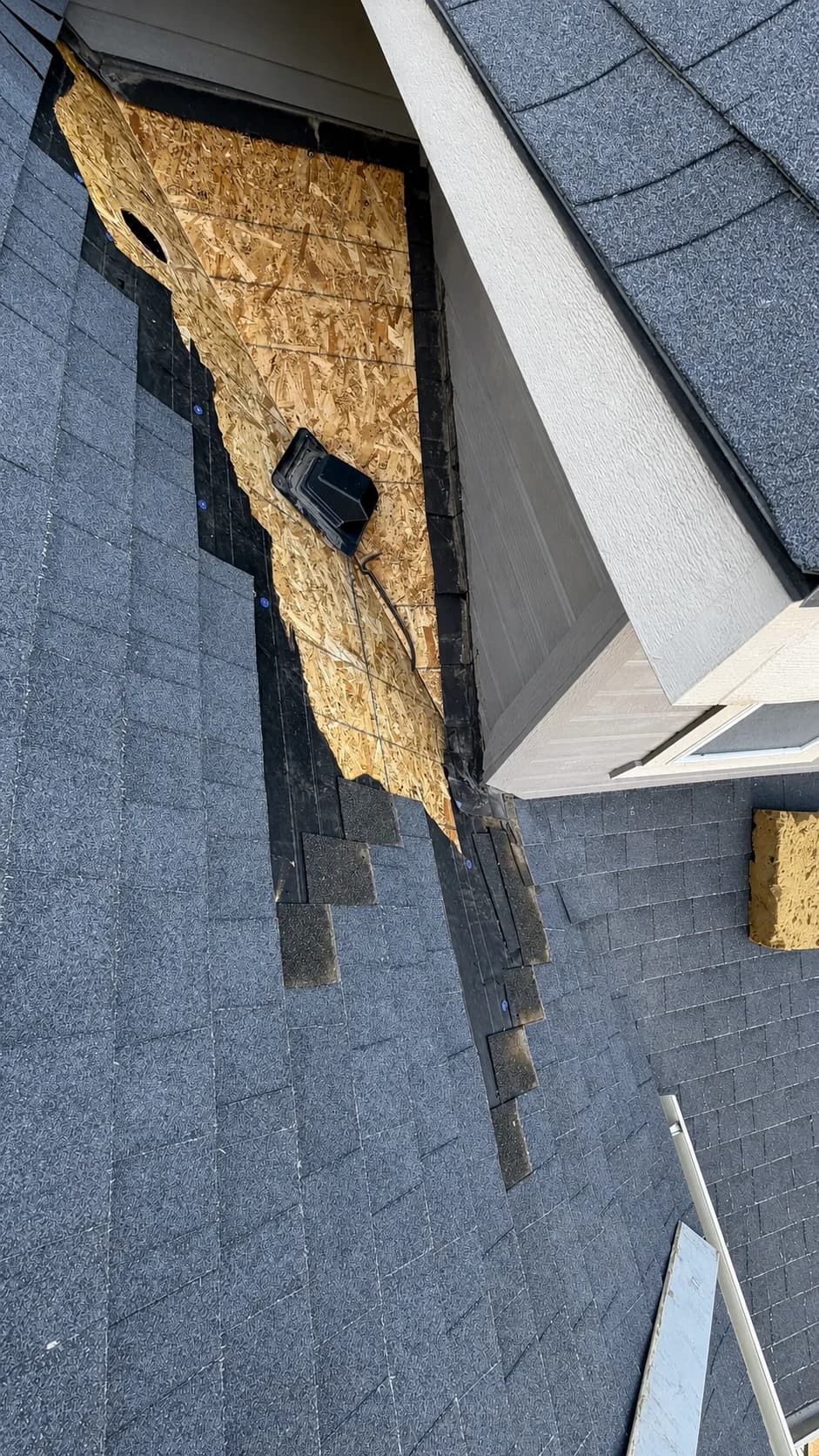
Claim support should clarify the roofing condition and construction scope without pretending the contractor decides coverage. We help homeowners organize damage evidence, understand roofing terminology, and compare the proposed scope with what the roof actually needs.
Scope clarity
What thoughtful insurance claims includes
The scope should explain the system being corrected, the decisions that affect it, and what happens when hidden conditions are found.
- 01Claim timeline walkthrough and documentation help
- 02Scope comparison support when paperwork is unclear
- 03Repairability versus replacement context
- 04Communication grounded in what the roof actually needs
When to investigate
Signs insurance claims may be the right conversation
These signals make the service worth evaluating. They do not replace an inspection or automatically mean the largest scope is necessary.
An adjuster meeting is scheduled and you want clarity
Scope language and supplements feel hard to interpret
A clear path forward
How we turn the condition into a responsible scope
- STEP 01
Verify and document the condition
Photos, measurements, weather context, and inspection notes establish what is visible before paperwork drives the conversation.
- STEP 02
Translate the roofing scope
Materials, quantities, accessories, repairs, replacement areas, and construction details are explained in homeowner language.
- STEP 03
Support the next conversation
We can help prepare for an adjuster visit and clarify roofing differences, while the carrier and policy determine coverage and payment.
What shapes the scope
Why two homes can need different answers
Quality of documentation
Clear photos, dates, weather context, measurements, and condition notes make the roofing conversation easier to follow.
Repairability and material availability
Age, brittleness, discontinued products, access, and the ability to integrate a repair can affect the construction recommendation.
Differences between scopes
Contractor and carrier estimates may organize accessories, quantities, waste, repairs, and code-related items differently and should be compared line by line.
Built for this region
Treasure Valley considerations
Weather evidence is address-specific
Regional hail or wind reports provide context, but they do not replace a property inspection or prove coverage at a specific home.
Pre-existing exposure and storm loss are different
A sun-worn south or west slope may have been aging before the reported event. Claim documentation should distinguish that long-term condition from sudden creases, impacts, displacement, or water entry tied to the storm.
Coverage is not a contractor decision
PowerHouse documents and explains roofing work. Policy interpretation, coverage, depreciation, and settlement decisions belong to the homeowner and insurer or licensed claim professionals.
Related projects
Examples from nearby homes
Real projects connect the recommendation to actual conditions, constraints, and outcomes.
Before
After
- Material
- Architectural shingle repair scope
- Timeline
- 1 day
- Result
- Targeted repair with no replacement recommended
A storm check confirmed isolated damage. The right answer was repair, not a full reroof.
View project detailsKeep researching
Guides that help with this decision
Insurance claim timelineFollow the usual sequence from initial documentation through scope conversations and construction.Hail damage guideUnderstand what inspection evidence can and cannot tell you after a hail event.Storm damage responseStart with emergency protection and condition verification before the paperwork path.
Insurance Claims FAQ
Questions homeowners usually ask next
Straight answers for planning the work, setting expectations, and knowing what to ask before signing a scope.
Do you need a claim before requesting a roof report?
No. The report is often the better first step because it frames whether a claim conversation even makes sense.
Can the site help if I already have adjuster paperwork?
Yes. The claim timeline and service pages create a clearer map for what happens next.
Should I file a roof claim before scheduling an inspection?
Not necessarily. An inspection can help establish whether visible damage exists and whether the likely scope is significant enough to justify a claim conversation. The homeowner remains responsible for deciding when to contact the insurer.
Can PowerHouse meet with the insurance adjuster?
When scheduling allows, a roofing representative can help identify construction details and documented damage during an onsite meeting. The contractor does not decide coverage or act as the insurer or public adjuster.
What if the contractor scope and insurance estimate differ?
The differences should be reviewed item by item: measured quantities, materials, accessories, repairability, waste, ventilation, flashing, and documented damage. Clear construction evidence is more useful than arguing from a single total price.
Start with the condition
Get a clear next step for insurance claims.
Start with the address and what you are seeing. We will help separate monitoring, repair, and replacement before the scope grows.
Understand roof pricing