Local signal
Boise, Idaho
Check property-level storm context and roof signals for your address.
Check an address in BoiseStart with the weather near your address, then look for what is actually different. Your free Roof Report helps you decide whether to watch, inspect, or act—without assuming you need a new roof.
If water is entering now
Move valuables, contain the water if safe, and call for emergency protection.
Call 208.830.5823Original local photos, video, weather sources, and practical next steps—reviewed by the PowerHouse team before publication.
A city-level report helps narrow the question. Your address, roof condition, and what changed after the storm are what determine the next step.
Local signal
Check property-level storm context and roof signals for your address.
Check an address in BoiseLocal signal
Check property-level storm context and roof signals for your address.
Check an address in MeridianLocal signal
Check property-level storm context and roof signals for your address.
Check an address in NampaLocal signal
Check property-level storm context and roof signals for your address.
Check an address in EagleLocal signal
Check property-level storm context and roof signals for your address.
Check an address in KunaLocal signal
Check property-level storm context and roof signals for your address.
Check an address in CaldwellStorm reports describe nearby weather—not damage to a specific home. Spot storms can vary by neighborhood, and a clear report does not replace an inspection when you see a new problem.
The best next step depends more on the condition of the home than on the size of the storm headline.
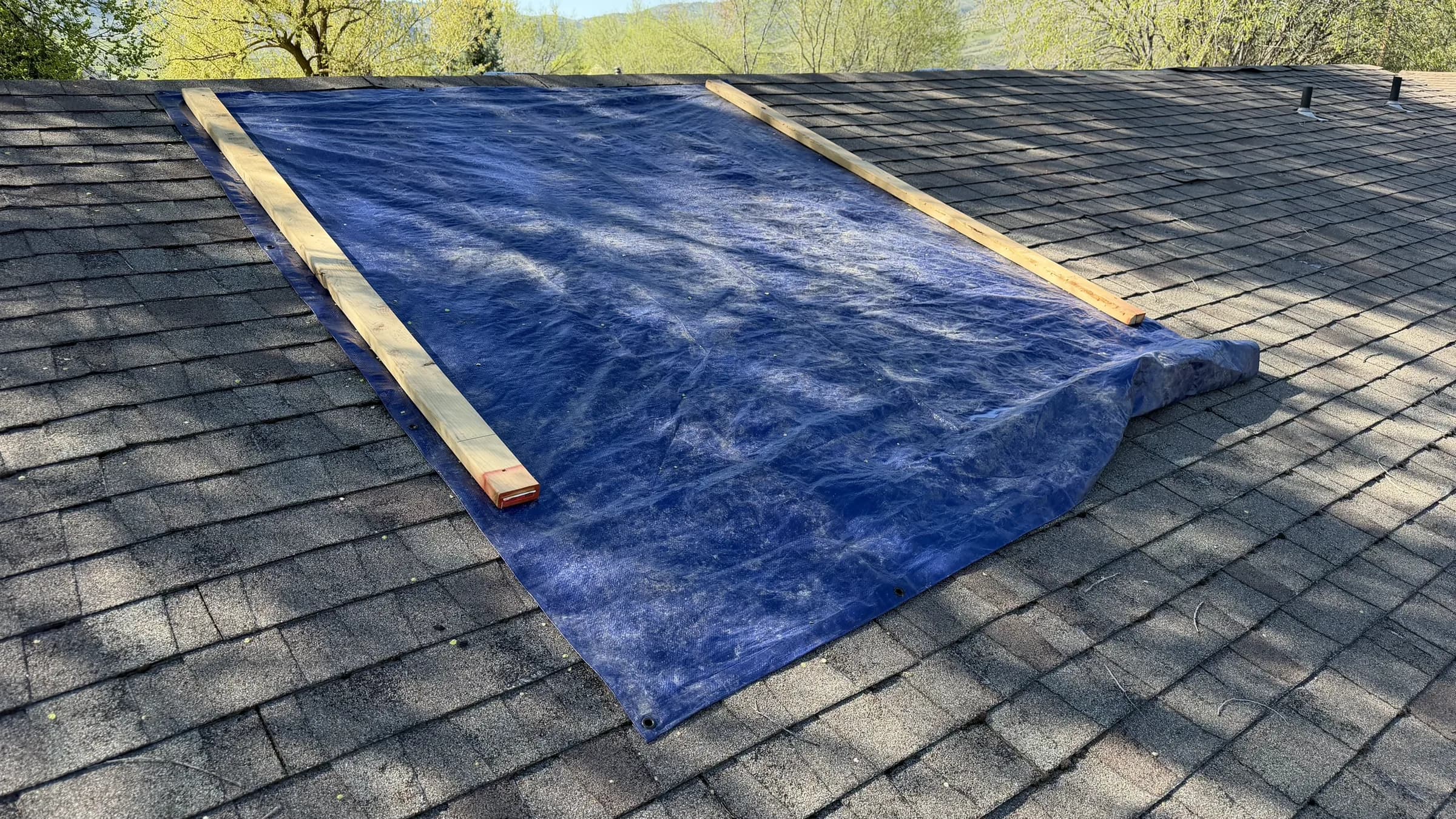
Treat this as active damage. Protect people and belongings, document the area, and get temporary protection in place.
Call 208.830.5823Missing material, lifted edges, damaged flashing, or fresh dents deserve documentation and a closer inspection.
Start my Roof ReportThat is a good sign. Check the address-level context, save a few ground photos, and monitor after the next rainfall.
Check my address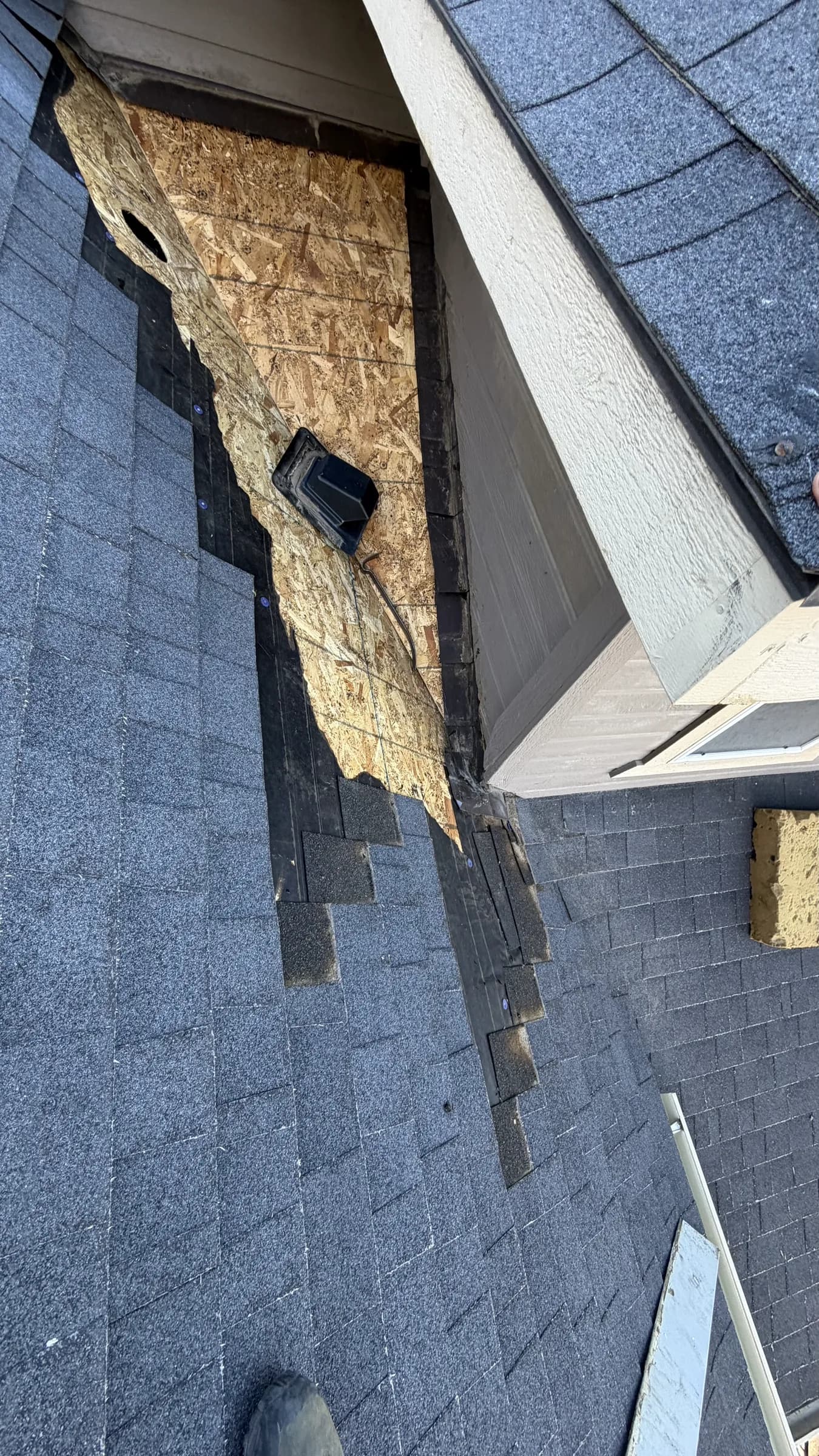
Safety first
Do not climb onto a wet, steep, icy, or visibly damaged roof.
Your job is not to diagnose the roof. It is to notice what is new and preserve useful evidence.
Check ceilings, upper walls, skylights, and the attic—only if safely accessible—for fresh stains, damp insulation, or dripping.
Photograph each roof side from a safe distance. Look for missing pieces, uneven edges, displaced ridge material, or branches on the roof.
Look at gutters, downspouts, vents, window screens, and other soft metals for fresh dents or impact marks.
Record the date, approximate time, weather type, and what you noticed. Keep the original photos rather than editing them.
One mark rarely tells the whole story. Look for a consistent pattern, then let a close inspection confirm what it means.
Close inspection matters
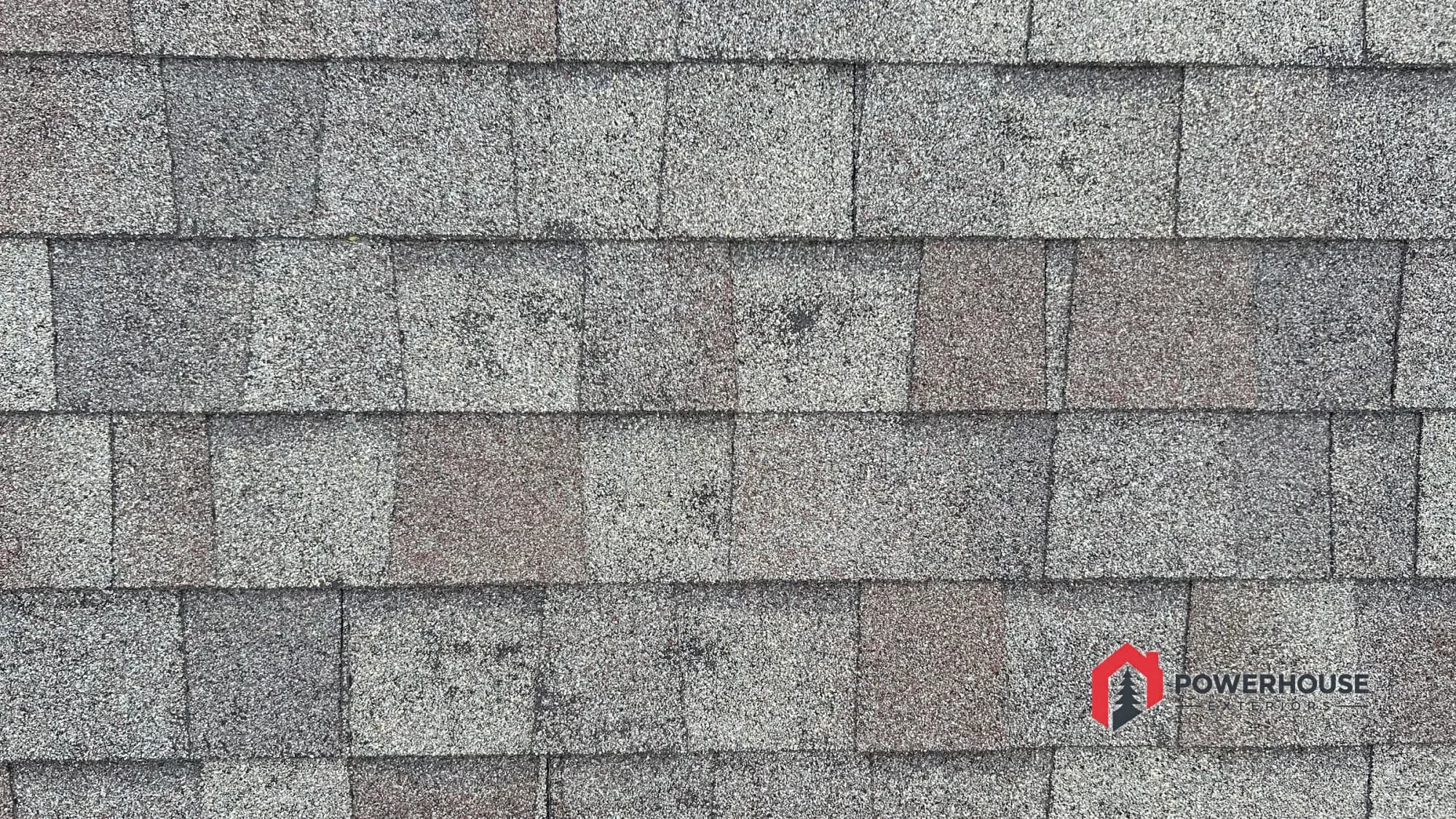
Normal aging, foot traffic, heat, and installation issues can resemble storm damage in a single photo.
Lifted, creased, shifted, or missing shingles—often concentrated on exposed edges and slopes.
Keep in mind: Do not assume every curled edge is new; age and heat can also change shingle shape.
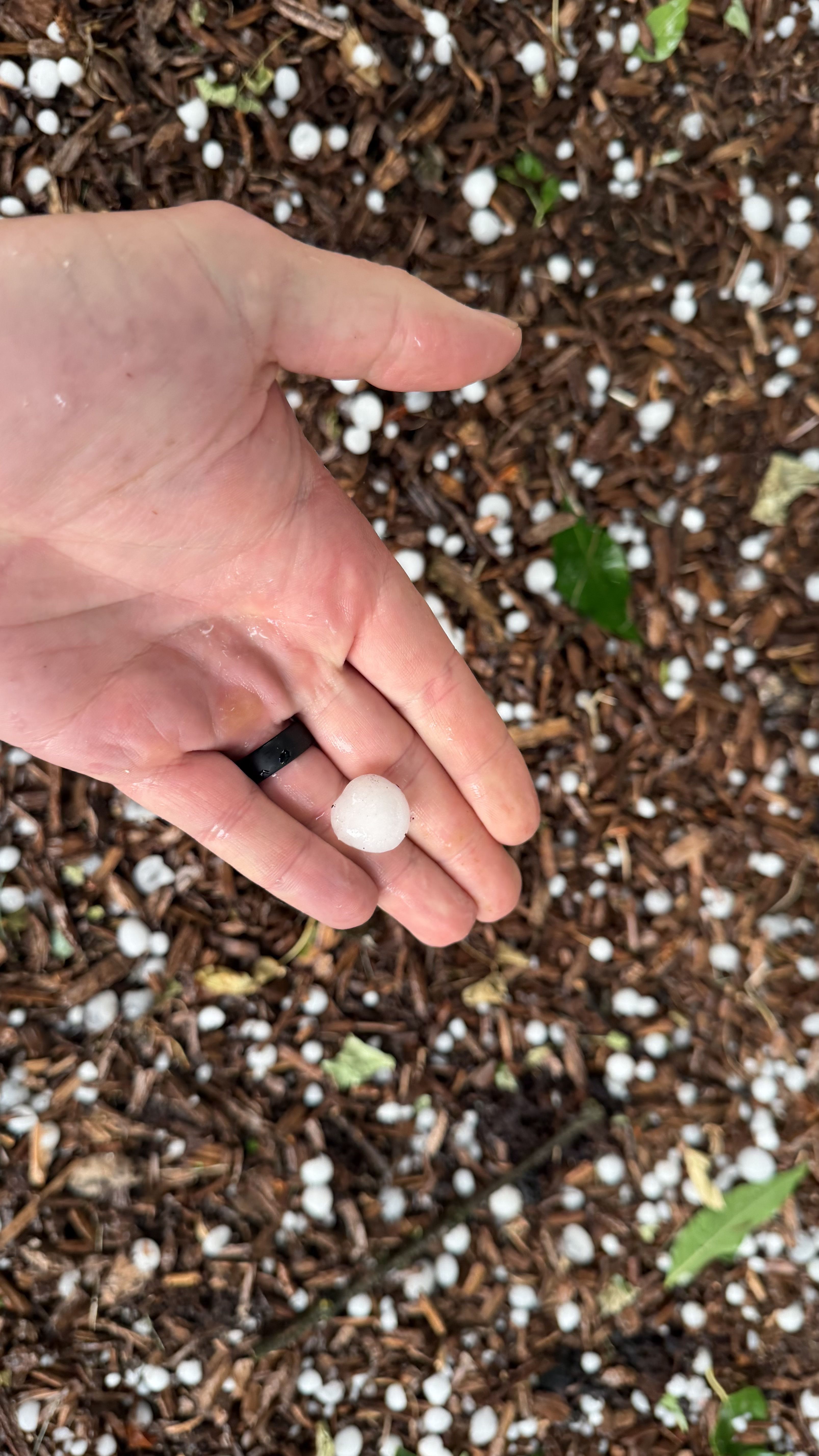
Fresh dents in soft metal, splatter marks, damaged screens, and a repeated impact pattern across surfaces.
Keep in mind: Granules in a gutter alone do not prove hail damage; shingles naturally shed granules over time.
Branches, punctures, cracked accessories, displaced flashing, or damage localized around one impact area.
Keep in mind: Avoid moving heavy debris yourself if it could expose an opening or create a fall hazard.
Urgent protection comes first. The larger repair or claim decision should follow documented facts.
Move belongings, contain water if safe, and arrange temporary protection for an opening.
Take wide and close photos from safe locations and write down the storm timing.
Use the Roof Report and a qualified inspection when the evidence points to a problem.
Monitor, repair, or discuss a claim based on the documented scope—not fear or pressure.
A useful result can be “keep monitoring.”
A nearby storm is not a reason by itself to replace a roof or open a claim. If the condition does not support action, we will say so.
Straight answers help you protect the home without turning every storm into a crisis.
No. A nearby wind or hail report is useful context, but it does not confirm damage at your address. Roof material, age, direction of exposure, tree cover, and the exact storm path all matter. A property-specific report and, when warranted, an inspection are the better next steps.
Protect the home immediately if water is entering, but do not assume every storm calls for a claim. First document what changed, review your policy and deductible, and get a condition-based inspection. Your insurer and policy determine coverage.
Yes. Lifted or creased shingles, damaged flashing, and hail impacts may not leak right away. That is why a change after the storm can deserve attention even when the ceiling is dry.
Stay on the ground. Use binoculars or your phone camera, check the attic only if it is safely accessible, and never climb onto a wet, steep, icy, or visibly damaged roof. A roofing professional can handle the close inspection.
Timing and pattern matter. New debris, missing pieces, fresh interior staining, and damage concentrated on the storm-facing slopes are stronger clues than general wear alone. Photos, prior records, and a documented inspection help separate the two.
Your free Roof Report combines location-level storm context with roof signals and gives you a practical next step.
Explore storm damage service